
GLP-1 Drugs: What They Are - and Are They Worth It
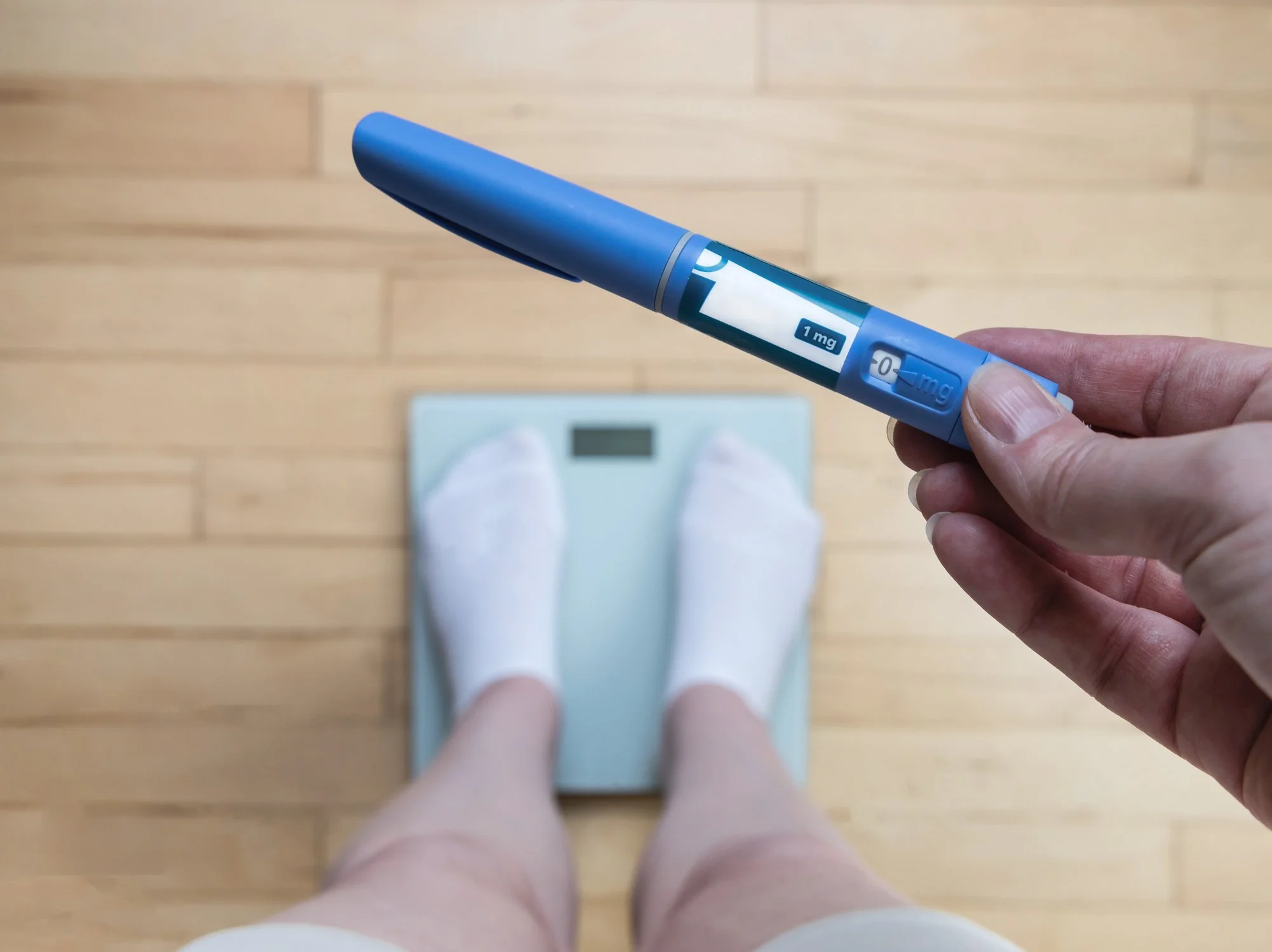
The buzz about GLP-1 is everywhere. You’ve no doubt seen the commercials, and it’s likely that you - or someone you know - has tried a GLP-1 medication. They’re widely touted as the solution for weight loss and blood sugar balance, but few people actually understand how these medications work or what the trade-offs may be.
Let’s dive in.
What Exactly is GLP-1?
The abbreviation stands for glucagon-like peptide-1, a hormone your body naturally produces in the gut. Every time you eat – particularly carbohydrates and fats - GLP-1 is released to help your body manage the incoming nutrients efficiently.
Working alongside other hormones, GLP-1 helps prevent sharp blood sugar spikes after your meal. It also slows down how quickly your stomach empties and promotes a feeling of fullness. Together, these effects reduce overeating and help you feel satisfied longer after eating. It’s one of the many elegant ways our bodies strive for balance.
How Do GLP-1 Medications Work?
The medications you see advertised are called GLP-1 receptor agonists. This means they bind to the same receptors as your natural GLP-1 hormone.
These drugs are synthetic peptides designed to bind to your receptors and circulate in your body much longer than our natural hormone. As a result, the physiological effects - blood sugar regulation, reduced appetite, and increased satiety – are significantly amplified.
While amplification can be helpful for some, this also increases the risk of unwanted side effects. The body is always seeking balance, and too much of any hormone can backfire.
What are the Benefits of GLP-1 Medications?
Being a Naturopath, many people assume I’m 100% anti-medicine - but that’s not true. I believe there’s a time and place for some medications, especially when they closely mimic something our body needs, such as bioidentical hormones.
My role is to evaluate each client individually and create a personalized plan to support their goals. In some cases, that may include recommending (not prescribing) medication on a short-term basis.
Among clients who choose to use very low doses of GLP-1 medications, the benefits they most often report include:
Weight loss
Reduced appetite
Reduced inflammation
Elimination of “food noise”
GLP-1 receptors are also present in the brain, which explains why these medications can quiet thoughts about food. Essentially, GLP-1 signals that you’re full and that continuing to eat wouldn’t be that rewarding anyway.
What Are the Downsides of Taking GLP-1?
In my functional practice, I unfortunately see the side effects more often than benefits - especially in those following the standard or escalating dosing protocols rather than remaining at a low dose.
Every hormone has a Goldilocks zone – levels in the body must be just right.
One of the most common issues I see is constipation. Elevated GLP-1 levels slow stomach emptying and intestinal motility. Over time, this can create constipation, microbiome imbalance, and even SIBO (small intestine bacterial overgrowth) - a stubborn condition I frequently treat and one you definitely don’t want to develop just to lose a few pounds.
Higher or prolonged dosing can also lead to muscle loss, which lowers metabolic rate since muscle tissue is a key driver of metabolism. Other commonly reported issues include nausea, low mood, and rebound weight gain after stopping the injections.
GLP-1 medications also carry warnings related to medullary thyroid cancer, based on animal studies. If you have a personal or family history of thyroid cancer, these medications are not advised.
Ready for Some Good News?
Now that I’ve sufficiently cautioned you, here’s the encouraging part: there are natural ways to support your body’s own production of GLP-1 production – often with similar benefits and far less risk.
In fact, the foundational dietary strategies I recommend to all my clients naturally supports their production of this powerful hormone. When you work with me, I tailor recommendations specifically to you, taking consideration your health history, preferences, and goals. There are also several high-quality supplements that can enhance this process and make it feel surprisingly effortless.
It’s far too much information for a single blog post, which is why I’ll be teaching a class on this topic in the coming weeks. Be sure you’re on my e-mail list so you don’t miss it.
Whether GLP-1 medications are right for you - and whether the benefits outweigh the risks - is a deeply personal choice. I work with clients to navigate these decisions and provide personalized support, whether that includes low dose GLP-1 medication or a completely medication-free approach.
You can schedule your first session by clicking the link below. I look forward to helping you!